

Prevention Starts with Strong Families
Prevent Child Abuse Rhode Island
The Rhode Island chapter of Prevent Child Abuse America, part of Parent Support Network of Rhode Island since 2017.

Strong families are built through connection, support, and access to resources. Family support helps parents and caregivers strengthen relationships, build protective factors, and find support before challenges become crises.
Parent Support Network of Rhode Island serves as the Rhode Island chapter of Prevent Child Abuse America, bringing together prevention education, family support, and community partnerships to strengthen families across the state.
What Prevention Means
Prevention is the work of strengthening families before challenges become crises—and continuing to build the supports that help children and caregivers thrive.
It focuses on building the conditions where children and caregivers can thrive, including strong relationships, supportive communities, and access to help when needed.
Prevention is not a single program. It is a coordinated approach to family well-being across Rhode Island communities.
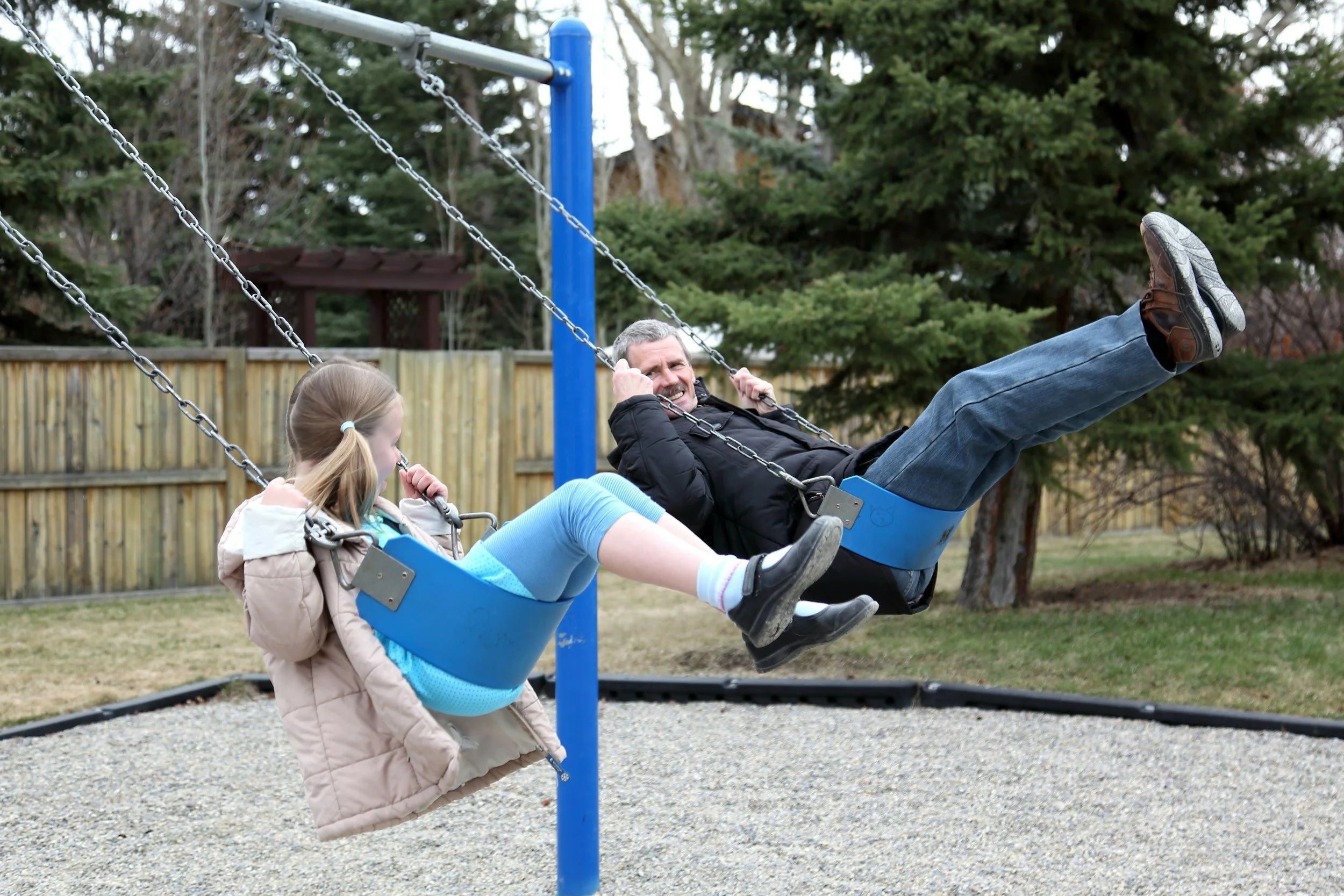
A Shared Prevention Approach
As the Rhode Island chapter of Prevent Child Abuse America, Prevent Child Abuse Rhode Island’s work is grounded in a national framework focused on strengthening protective factors that support safe, stable, and nurturing environments for children.
Prevention works best when families, communities, and systems work together to strengthen the conditions that help children and caregivers thrive.
How Prevention Works
Prevention strengthens families by reducing stressors and increasing protective supports.
It works by:
Strengthening caregiver–child relationships
Increasing social connections and support systems
Supporting emotional and mental well-being
Connecting families to concrete resources
Building stable and nurturing environments
Protective Factors That Strengthen Families
-
Nurturing Relationships
Strong caregiver–child relationships create safety, trust, and emotional security.
-
Social Connections
Supportive relationships reduce isolation and build resilience.
-
Parenting Knowledge & Child Development
Understanding children’s needs strengthens confidence and caregiving.
-
Concrete Support in Times of Need
Access to housing, food, health care, and services reduces family stress.
-
Emotional Well-Being
Mental health and coping skills strengthen family stability.
Understanding how protective factors interact with Adverse Childhood Experiences (ACEs) helps explain how resilience develops over time.

Prevention in Rhode Island
Preventing child abuse and strengthening families requires collaboration across Rhode Island — including families, communities, service providers, and prevention partners.
PSN supports prevention through education, family peer support, and community-based programs that strengthen families statewide.
Parent and caregiver support services
Peer support and navigation
Family strengthening programs
Community partnerships
Public awareness and prevention campaigns
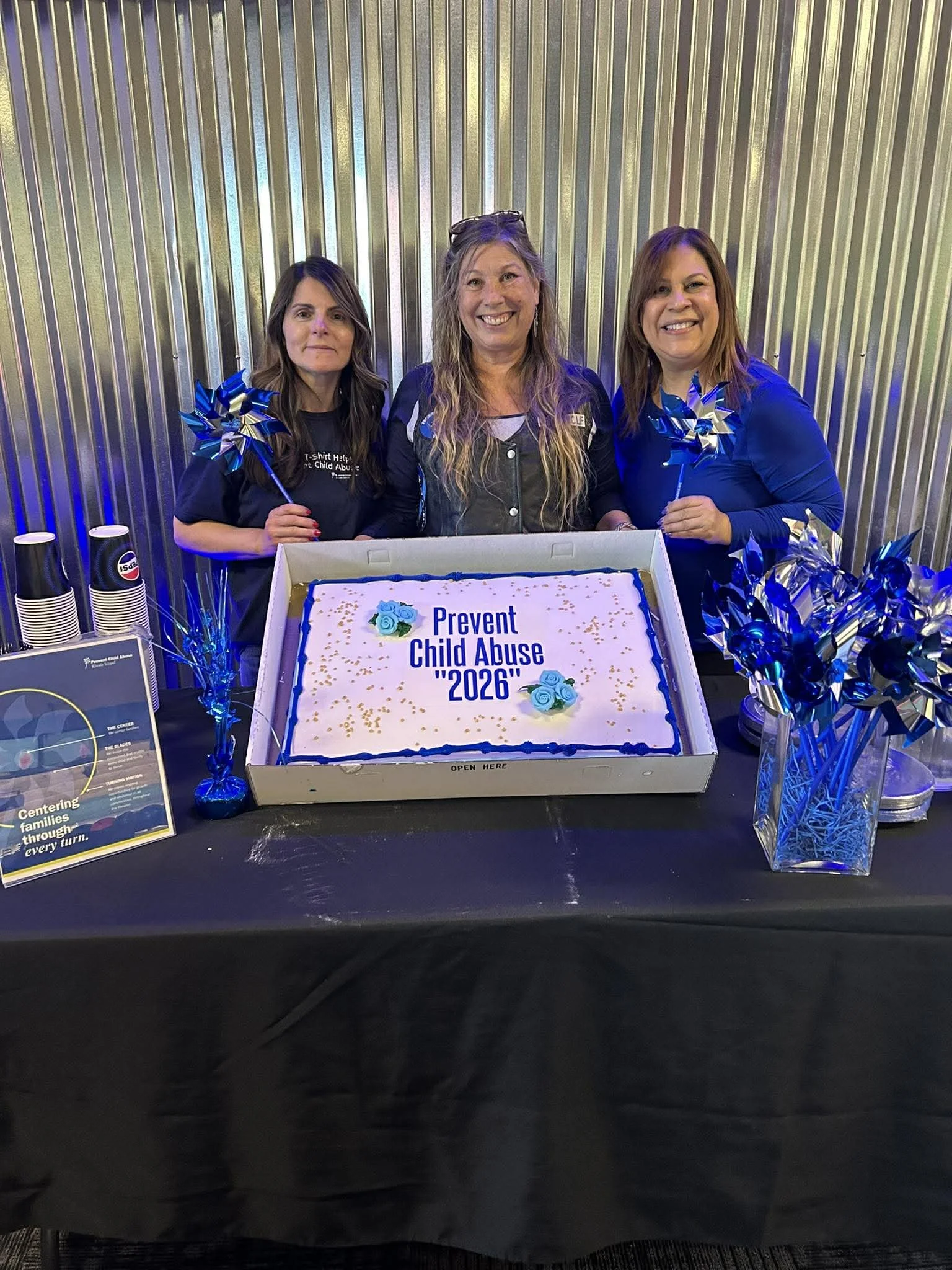
Child Abuse Prevention (CAP) Month
Each April, CAP Month raises awareness about the importance of strengthening families and preventing child abuse before it occurs.
It highlights the role communities play in supporting children and caregivers across Rhode Island.
This observance is part of a nationwide effort led by Prevent Child Abuse America to elevate prevention and strengthen families before challenges become crises.
Strong families are built through access to connection, resources, and support.
If you are a parent or caregiver looking for help, PSN provides family support, peer connection, and resources across Rhode Island.
Prevention Starts with Support
Want to learn more about the prevention framework?
Explore how protective factors and Adverse Childhood Experiences (ACEs) help explain the conditions that support family resilience and well-being.